Assistive Shaker
An assistive device that relieves stress while mixing/shaking drinks, aiming to prevent development of fatigue and wrist strain.
Challenge
Tasks in bartending require high activity in the hands and arms, which may result in fatigue after several long work shifts. Specifically, the task of repetitive cocktail shaking requires tight grasping and fast dynamics of the wrist, elbow, and shoulder.
Solution
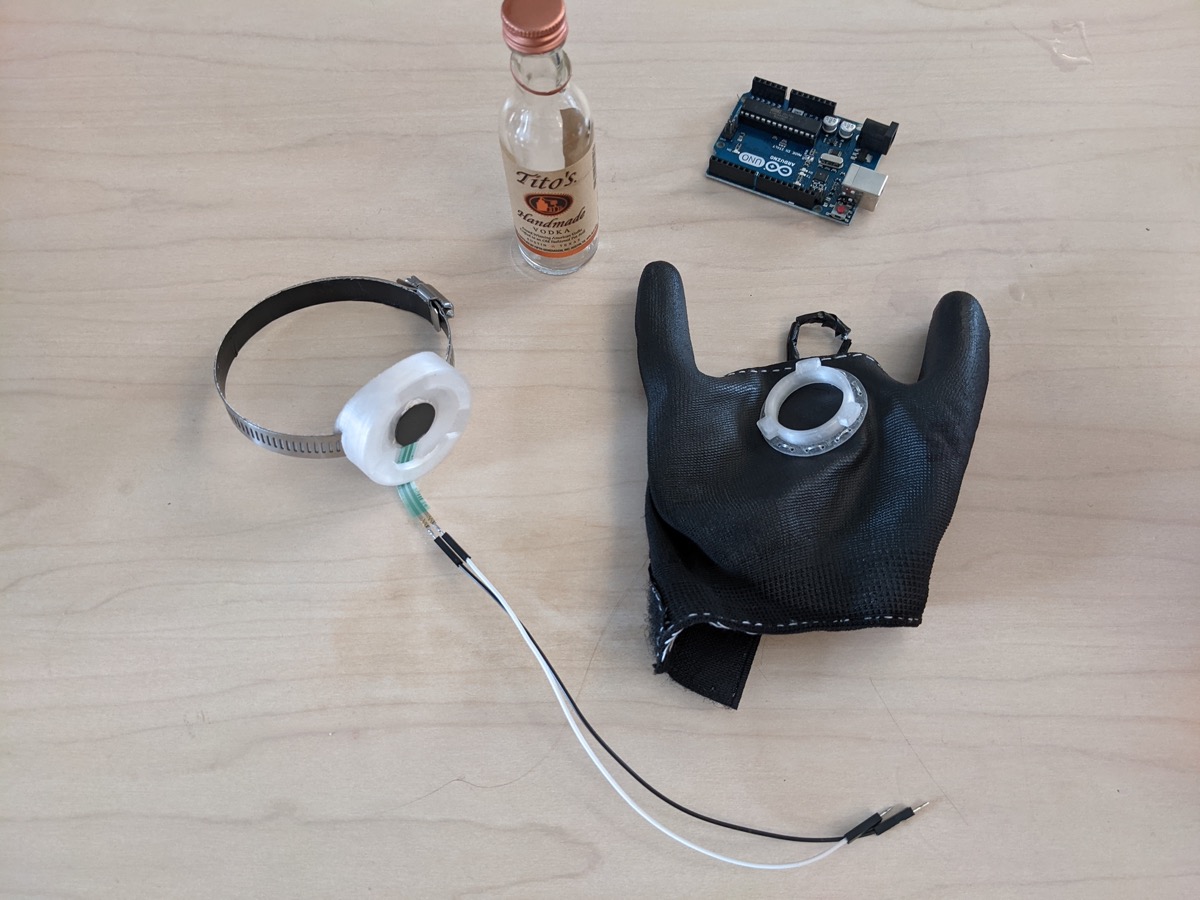
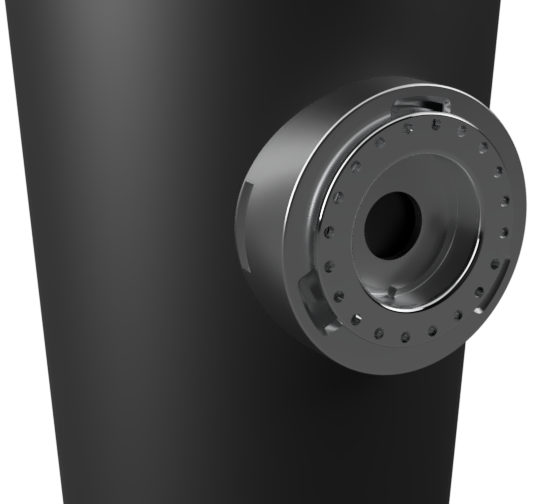
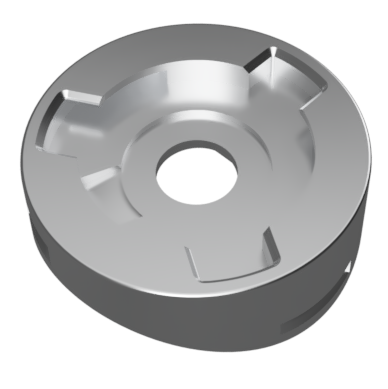
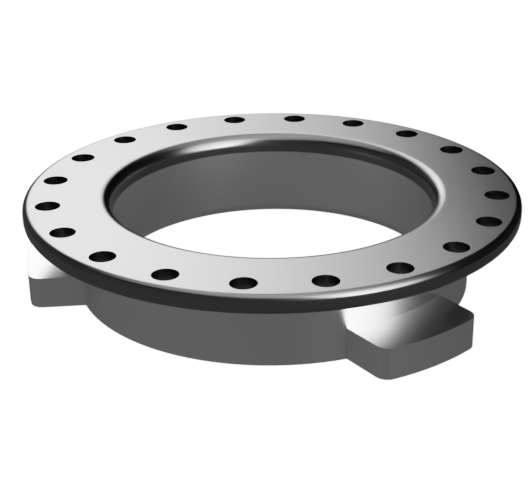
To address this, a locking mechanism was implemented and tested as one method for assisting rigid fixation to the arms, as opposed to grasping with the fingers. Inside the locking mechanism, there is a force sensing resistor (FSR) sensor that documents the times the lock is engaged. The device successfully allows the user to mix the drink effectively while reducing the applied force by 60 percent.
When designing the device, a great deal of consideration was taken to increase comfort as the bartender may be used to working more effectively with a traditional Boston shaker. The idea is for the device to have passive functionality, and aside from the attachment mechanism, leave the cocktail mixing task as similar to the unmodified version as possible.